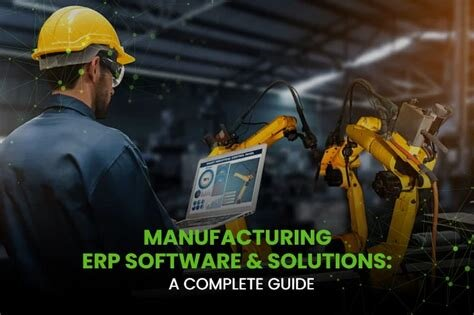
Welcome to a discussion on the significant role of ERP systems in wholesale distribution businesses. In today’s fast-paced and competitive market, wholesale distributors are constantly looking for ways to streamline their operations and improve efficiency. ERP systems have become essential tools for managing complex processes such as inventory management, supply chain optimization, and customer relationship management. By centralizing data and automating key business functions, ERP systems can help wholesale distributors enhance productivity, reduce costs, and gain a competitive edge in the market.
Understanding ERP Systems in Wholesale Distribution
When it comes to running a wholesale distribution business, having an efficient system in place is key to success. This is where Enterprise Resource Planning (ERP) systems come into play. ERP systems are software solutions that help businesses manage and integrate their essential processes in one centralized system. In the wholesale distribution industry, ERP systems play a crucial role in streamlining operations, increasing productivity, and improving overall efficiency.
ERP systems in wholesale distribution are designed to handle a wide range of functions, including inventory management, order processing, accounting, customer relationship management (CRM), and more. By consolidating these processes into one system, wholesalers can eliminate the need for multiple software solutions, reduce errors, and improve data accuracy. This not only saves time and resources but also enhances decision-making capabilities.
One of the key benefits of ERP systems in wholesale distribution is the ability to automate tasks and workflows. With an ERP system, wholesalers can set up automated processes for inventory management, order processing, invoicing, and more. This not only speeds up operations but also reduces the risk of human error. By automating routine tasks, employees can focus on more strategic tasks that add value to the business.
Another advantage of ERP systems in wholesale distribution is improved visibility and control. With real-time access to key data and insights, wholesalers can make informed decisions, identify trends, and react quickly to changing market conditions. By providing a comprehensive view of the business, ERP systems enable wholesalers to optimize processes, reduce costs, and identify new opportunities for growth.
Furthermore, ERP systems in wholesale distribution help businesses stay competitive in a rapidly evolving market. With features such as advanced analytics, forecasting tools, and integration with e-commerce platforms, wholesalers can adapt to changing customer demands, market trends, and technological advancements. By leveraging the capabilities of an ERP system, wholesalers can stay ahead of the competition and drive sustainable growth.
In conclusion, ERP systems are essential for wholesale distribution businesses looking to improve efficiency, streamline operations, and stay competitive in today’s market. By integrating key processes into one centralized system, wholesalers can save time and resources, reduce errors, and make informed decisions. With the benefits of automation, improved visibility, and advanced analytics, ERP systems empower wholesalers to optimize operations, drive growth, and achieve long-term success.
Key Features of ERP Systems for Wholesale Distribution
ERP systems for wholesale distribution are designed to streamline and automate various business processes to improve efficiency and accuracy. These systems offer a wide range of features that are specifically tailored to meet the unique needs of wholesale distribution companies. Here are some key features that make ERP systems essential for wholesale distribution businesses:
1. Inventory Management: One of the most important features of an ERP system for wholesale distribution is inventory management. These systems provide real-time visibility into inventory levels, enabling businesses to track stock levels, monitor sales trends, and optimize inventory replenishment. With advanced forecasting tools and automated inventory control, wholesale distributors can ensure they have the right amount of stock on hand to meet customer demand while minimizing excess inventory costs.
2. Order and Purchasing Management: Another essential feature of ERP systems for wholesale distribution is order and purchasing management. These systems streamline the order processing and procurement processes, allowing businesses to efficiently manage customer orders, create purchase orders, and track the status of orders in real-time. By automating order fulfillment and procurement tasks, wholesale distributors can reduce order processing times, improve order accuracy, and enhance overall customer satisfaction.
3. Customer Relationship Management (CRM): ERP systems for wholesale distribution often include CRM functionality to help businesses manage customer relationships more effectively. These systems enable wholesalers to track customer interactions, manage customer accounts, and analyze customer data to identify buying patterns and preferences. By leveraging CRM tools integrated into the ERP system, wholesale distributors can personalize their marketing efforts, improve customer retention rates, and drive sales growth.
4. Financial Management: ERP systems for wholesale distribution also provide robust financial management capabilities to help businesses track and manage their finances more efficiently. These systems offer features such as financial reporting, budgeting, and forecasting tools to help wholesalers monitor cash flow, track expenses, and make informed financial decisions. By centralizing financial data and automating accounting processes, ERP systems enable wholesale distributors to improve financial visibility, compliance, and profitability.
5. Reporting and Analytics: Another key feature of ERP systems for wholesale distribution is reporting and analytics functionality. These systems offer advanced reporting tools and analytics dashboards that enable businesses to generate real-time reports, analyze performance metrics, and identify trends. By access to actionable insights and data-driven decision-making capabilities, wholesale distributors can optimize their operations, identify opportunities for growth, and drive business success.
Benefits of Implementing ERP Systems in Wholesale Distribution
Implementing an ERP system in wholesale distribution can bring a multitude of benefits to companies looking to streamline their operations and improve efficiency. These benefits include:
1. Improved Efficiency: ERP systems can automate many of the manual processes involved in wholesale distribution, such as inventory management, order processing, and financial reporting. This automation can help to eliminate errors and reduce the time and effort required to complete these tasks, resulting in increased efficiency and productivity.
2. Enhanced Visibility: By centralizing data and providing real-time access to information across departments, an ERP system can improve visibility into all aspects of the wholesale distribution process. This enhanced visibility can help companies make more informed decisions, identify trends, and quickly respond to changes in the market.
3. Optimize Inventory Management: One of the key benefits of implementing an ERP system in wholesale distribution is the ability to optimize inventory management. With an ERP system, companies can track inventory levels in real time, forecast demand more accurately, and automate restocking processes. This can help to reduce excess inventory, minimize stockouts, and improve overall inventory control.
By leveraging the advanced features of an ERP system, companies can implement strategies such as just-in-time inventory management, demand forecasting, and supplier collaboration to further optimize their inventory management processes.
4. Streamlined Order Processing: ERP systems can streamline the order processing workflow by automating tasks such as order entry, fulfillment, invoicing, and shipping. This can help to reduce manual errors, improve order accuracy, and speed up the order fulfillment process. Additionally, an ERP system can provide real-time order tracking and status updates, allowing companies to keep customers informed and provide better customer service.
5. Cost Savings: Implementing an ERP system in wholesale distribution can lead to significant cost savings by reducing manual labor, eliminating inefficiencies, and minimizing errors. By streamlining processes and improving accuracy, companies can reduce operational costs, improve margins, and increase profitability.
6. Scalability: ERP systems are designed to scale with growing businesses, allowing companies to expand their operations and add new features and functionality as needed. This scalability makes ERP systems a long-term investment that can support business growth and adapt to changing market conditions.
Overall, implementing an ERP system in wholesale distribution can help companies improve efficiency, increase visibility, optimize inventory management, streamline order processing, realize cost savings, and support future growth. By harnessing the power of technology and automation, wholesale distributors can stay competitive in a rapidly evolving market and meet the demands of their customers more effectively.
Challenges of Implementing ERP Systems in Wholesale Distribution
Implementing an Enterprise Resource Planning (ERP) system in a wholesale distribution company can bring numerous benefits, such as streamlining processes, improving efficiency, and enhancing customer service. However, the implementation process itself can present a number of challenges that need to be carefully managed to ensure successful adoption of the new system. Here are some of the key challenges that wholesale distribution companies may face when implementing an ERP system:
1. Resistance to Change: One of the most common challenges in implementing an ERP system in wholesale distribution is resistance to change from employees. Employees may be comfortable with the existing systems and processes, and may be reluctant to adopt new technology. This resistance can manifest in various ways, such as reluctance to learn new software, skepticism about the benefits of the ERP system, or fear of job loss due to automation. It is important for management to proactively address these concerns through effective communication, training, and support to help employees understand the benefits of the ERP system and ease their transition to the new system.
2. Data Migration: Another challenge in implementing an ERP system in wholesale distribution is the migration of data from existing systems to the new ERP system. Data migration can be complex and time-consuming, especially if the existing data is stored in multiple formats or locations. Poor data quality, incomplete or outdated data, and data discrepancies can also complicate the migration process. To overcome these challenges, companies need to carefully plan and execute their data migration strategy, ensuring data integrity and accuracy throughout the process.
3. Customization and Integration: Wholesale distribution companies typically have unique business processes and requirements that may not be fully supported by the out-of-the-box features of an ERP system. Customization of the ERP system may be necessary to meet the specific needs of the company, such as configuring workflows, reports, or user interfaces. Integrating the ERP system with other existing systems, such as inventory management or order processing systems, can also be a challenge. Companies need to carefully assess their customization and integration requirements, and work closely with their ERP vendor or implementation partner to tailor the system to their specific needs.
4. Change Management: Perhaps the most critical challenge in implementing an ERP system in wholesale distribution is effective change management. Change management involves managing the people side of change, ensuring that employees are engaged, motivated, and prepared to adopt the new system. This includes communication and training to help employees understand the reasons for the change, the benefits of the ERP system, and how it will impact their roles and responsibilities. Strong leadership, clear communication, and ongoing support are essential to successfully managing change and ensuring the long-term success of the ERP implementation.
Best Practices for Successful ERP System Implementation in Wholesale Distribution
Implementing an ERP system in wholesale distribution can be a complex process, but following best practices can help ensure a successful implementation. Here are five key best practices to keep in mind:
1. Executive Sponsorship: One of the most important factors for successful ERP implementation is having strong executive sponsorship. Having a high-level executive championing the project can help secure necessary resources and resolve conflicts that may arise during the implementation process. It is essential for the executive sponsor to communicate the goals of the ERP system to employees and ensure buy-in from all levels of the organization.
2. Clearly Defined Objectives: Before starting the implementation process, it is crucial to have clearly defined objectives for the ERP system. These objectives should align with the overall business goals of the wholesale distribution company and be measurable so that success can be tracked and evaluated. Without clearly defined objectives, the implementation process can quickly become derailed, leading to delays and cost overruns.
3. Comprehensive Training: Training is a critical component of successful ERP implementation. Employees at all levels of the organization should receive training on how to use the new system effectively. This training should be ongoing and tailored to the specific roles and needs of the employees. Providing comprehensive training can help ensure a smooth transition to the new system and minimize disruptions to day-to-day operations.
4. Data Migration: Data migration is often a complex and time-consuming process in ERP implementation. It is essential to carefully plan and execute the data migration process to ensure that all relevant data is accurately transferred to the new system. Data cleansing and validation should be conducted to ensure the integrity of the data and prevent errors from occurring during the migration process.
5. Change Management: Successful ERP implementation requires effective change management practices. It is important to actively manage the changes that accompany the implementation of a new ERP system, including changes to business processes, roles and responsibilities, and organizational culture. Communication is key during this process, and employees should be kept informed and involved throughout the implementation process. Resistance to change is natural, but it can be mitigated through clear communication, training, and support from leadership.
By following these best practices for successful ERP system implementation in wholesale distribution, companies can increase the chances of a successful implementation and realize the full benefits of their new ERP system. Taking the time to plan and execute the implementation process thoughtfully and methodically can help ensure a smooth transition and position the organization for long-term success.