Welcome, dear reader! Have you ever come across the terms ERP and ERM and wondered what sets them apart? In today’s digital age, understanding the differences between Enterprise Resource Planning (ERP) and Enterprise Risk Management (ERM) is crucial for businesses looking to optimize their operations and mitigate risks effectively. Let’s delve into the distinctions between these two essential concepts to help you navigate the complex world of business management.
Understanding ERP Systems
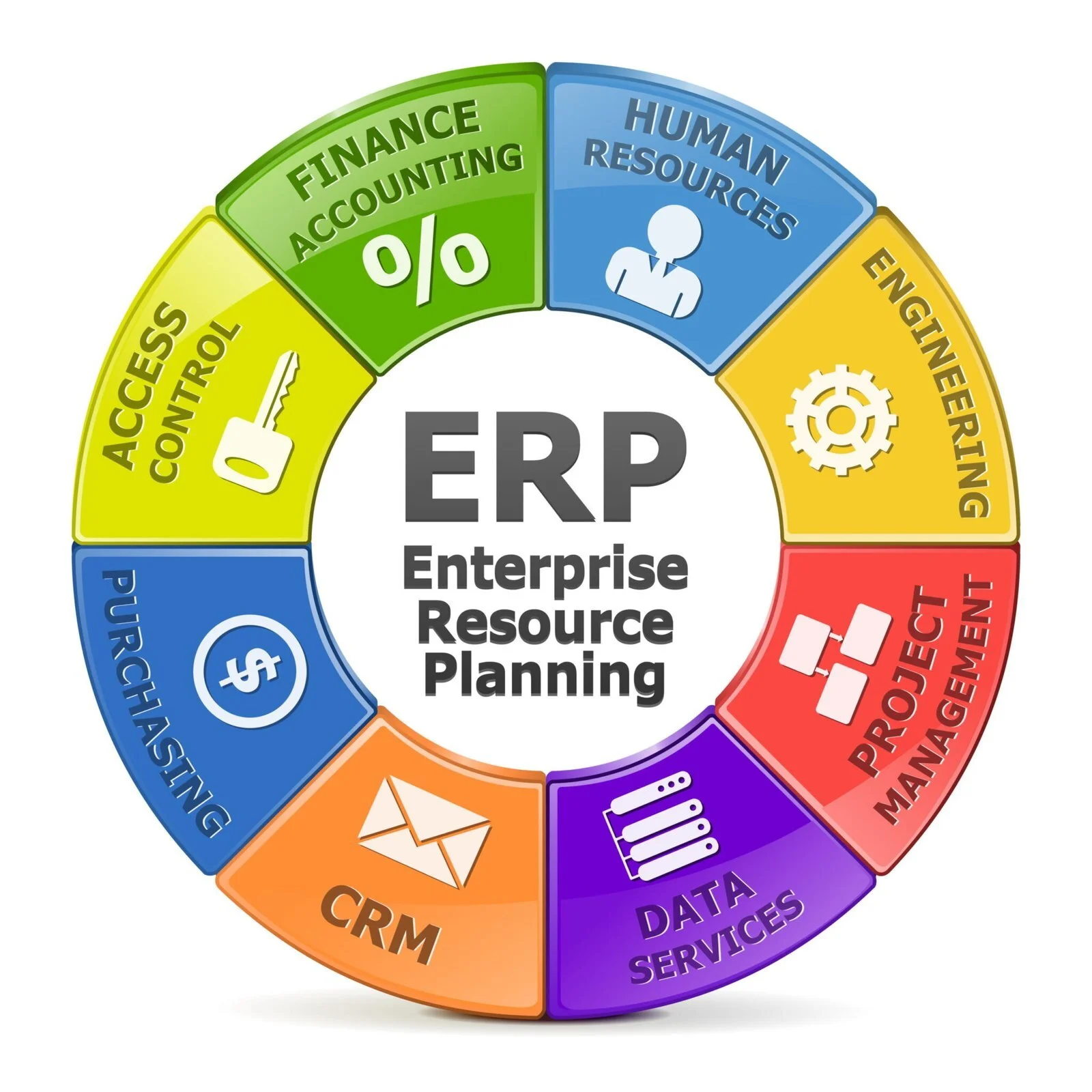
ERP stands for Enterprise Resource Planning, which is a type of software that helps businesses manage their operations, finances, and resources in a centralized system. This system integrates various functions such as accounting, human resources, inventory management, and customer relationship management into one platform, allowing different departments within a company to access and share information in real-time. ERP systems are designed to streamline processes, improve efficiency, and provide accurate and timely data for decision-making.
One of the key features of ERP systems is their ability to automate routine tasks and processes. This helps businesses save time and reduce errors by eliminating the need for manual data entry and rekeying of information. For example, instead of having separate systems for accounting, inventory management, and sales, an ERP system can consolidate all of these functions into one, making it easier for employees to access the information they need quickly and accurately.
Another benefit of ERP systems is their ability to provide a comprehensive view of the business. By centralizing data from different departments, ERP systems give managers and decision-makers a clear picture of the company’s performance and financial health. This visibility allows businesses to identify areas for improvement, track key performance metrics, and make informed decisions to drive growth and profitability.
Additionally, ERP systems can help businesses adapt to changing market conditions and industry trends. By providing real-time data and analytics, ERP systems enable businesses to quickly respond to customer demands, adjust production schedules, and optimize inventory levels. This flexibility is essential for staying competitive in today’s fast-paced business environment.
Overall, ERP systems play a crucial role in helping businesses streamline their operations, improve efficiency, and achieve their strategic goals. By centralizing data, automating processes, and providing real-time insights, ERP systems empower businesses to make better decisions, enhance customer satisfaction, and drive sustainable growth. As technology continues to evolve, ERP systems will remain a valuable tool for businesses looking to stay ahead of the curve and succeed in the digital age.
Understanding ERM Systems
Enterprise Risk Management (ERM) systems are designed to help organizations identify, assess, and manage risks that could potentially impact the achievement of their objectives. These systems provide a comprehensive framework for proactively addressing risks across all areas of the organization, including financial, operational, strategic, and compliance risks.
One key component of ERM systems is risk identification. This involves identifying potential risks that could affect the organization’s ability to achieve its goals. These risks can come from a variety of sources, including market trends, regulatory changes, internal processes, and external events. By systematically identifying risks, organizations can better understand their exposure and take steps to mitigate potential impacts.
Another important aspect of ERM systems is risk assessment. Once risks have been identified, organizations must assess the likelihood and potential impact of each risk. This helps prioritize risks based on their significance, allowing organizations to focus their resources on managing the most critical risks. By assessing risks, organizations can develop effective risk mitigation strategies and ensure they are adequately prepared to respond to potential threats.
ERM systems also play a key role in risk management. This involves developing and implementing strategies to mitigate, transfer, or accept risks based on the organization’s risk tolerance and objectives. By managing risks effectively, organizations can reduce the likelihood and impact of potential threats, ultimately improving their ability to achieve their goals.
In addition to risk identification, assessment, and management, ERM systems also support ongoing monitoring and reporting of risks. This involves regularly reviewing and updating risk assessments, tracking changes in the risk landscape, and communicating risk information to key stakeholders. By maintaining a robust risk monitoring and reporting process, organizations can ensure they are continuously informed about potential threats and can adapt their risk management strategies as needed.
Overall, ERM systems are essential tools for helping organizations proactively manage risks and improve their ability to achieve their objectives. By providing a comprehensive framework for identifying, assessing, and managing risks, ERM systems enable organizations to minimize the impact of potential threats and make more informed decisions about risk exposure.
Key Differences between ERP and ERM
ERP (Enterprise Resource Planning) and ERM (Enterprise Risk Management) are two important systems that help businesses operate efficiently and mitigate risks. While they may sound similar, there are key differences between the two that are important for businesses to understand.
1. Scope and Focus:
One of the main differences between ERP and ERM lies in their scope and focus. ERP systems are mainly focused on managing and integrating various business processes such as accounting, human resources, inventory, and customer relationship management. These systems are designed to streamline operations, improve efficiency, and provide real-time insights into the company’s performance. On the other hand, ERM systems are specifically designed to identify, assess, and manage risks that could potentially impact the business. ERM focuses on identifying risks at an enterprise level and developing strategies to mitigate or avoid those risks.
2. Functionality:
Another key difference between ERP and ERM is their functionality. ERP systems are primarily operational in nature, focusing on improving business processes and increasing operational efficiency. These systems are used to manage day-to-day operations and provide a centralized platform for different departments to collaborate and share information. ERM systems, on the other hand, are strategic in nature, focusing on identifying and managing risks that could impact the long-term success of the business. ERM systems often involve risk assessments, risk mitigation strategies, and continuous monitoring of risks to ensure the business is prepared for sudden changes or challenges.
3. Integration and Collaboration:
One crucial aspect of differences between ERP and ERM is their approach to integration and collaboration within the organization. ERP systems are designed to integrate various business processes and departments, providing a centralized platform for employees to share information and work together more efficiently. These systems often involve automation of processes and data sharing to improve operational efficiency. On the other hand, ERM systems focus on collaboration between risk management professionals, executives, and other stakeholders to identify and manage risks effectively. ERM systems involve cross-functional collaboration to ensure that risks are identified and managed at an enterprise level, rather than siloed within individual departments. This collaborative approach helps businesses take a more comprehensive view of risks and develop strategies to mitigate them effectively.
In conclusion, while ERP and ERM may appear similar on the surface, their scope, focus, functionality, and approach to integration and collaboration make them unique systems that serve different purposes within an organization. Understanding these key differences can help businesses determine which system(s) are necessary for their operations and risk management strategies.
Benefits of Implementing ERP
Implementing an ERP system can provide businesses with a wide range of benefits that can significantly improve efficiency, productivity, and decision-making processes. Some of the key benefits include:
1. Streamlined Processes: One of the main advantages of implementing an ERP system is the ability to streamline business processes. By integrating various departments and functions into a single system, businesses can eliminate duplicate data entry, reduce manual errors, and automate repetitive tasks. This can help to improve overall efficiency and productivity within the organization.
2. Improved Data Visibility: ERP systems provide businesses with real-time access to critical data and insights. This means that decision-makers have access to accurate information that can help them make informed decisions quickly. By having a centralized database, businesses can improve data visibility and ensure that all departments are working with the most up-to-date information.
3. Enhanced Reporting and Analytics: ERP systems come with built-in reporting and analytics tools that can help businesses gain valuable insights into their operations. By analyzing key performance indicators (KPIs) and trends, businesses can identify areas for improvement, make informed decisions, and track progress towards business goals. This can help businesses stay ahead of the competition and adapt to changing market conditions.
4. Increased Collaboration: Another benefit of implementing an ERP system is the improved collaboration among departments and stakeholders. With a centralized system in place, employees can easily share information, collaborate on projects, and communicate effectively. This can help break down silos within the organization and foster a culture of teamwork and innovation.
Furthermore, ERP systems can also help businesses better manage their relationships with customers, suppliers, and partners. By having a centralized system for managing interactions and transactions, businesses can improve customer satisfaction, supplier relationships, and overall business performance.
In conclusion, the benefits of implementing an ERP system are far-reaching and can have a significant impact on the overall success of a business. From streamlining processes to improving data visibility and fostering collaboration, an ERP system can help businesses stay competitive and adapt to the ever-changing business landscape.
Benefits of Implementing ERM
Enterprise Risk Management (ERM) is a comprehensive approach to identifying, assessing, and managing risks within an organization. By implementing ERM, companies can benefit in various ways that can ultimately improve their overall performance and sustainability.
1. Improved Risk Identification: One of the key benefits of implementing ERM is the ability to identify risks more effectively. By taking a holistic approach to risk management, companies can better understand the interconnected nature of risks across different areas of their business.
2. Enhanced Risk Assessment: With ERM, companies can conduct more thorough and in-depth risk assessments. This allows them to prioritize risks based on their potential impact and likelihood, enabling more effective risk mitigation strategies to be put in place.
3. Better Decision-Making: ERM provides companies with a more comprehensive view of their risk landscape, allowing decision-makers to make more informed and strategic decisions. By understanding the potential risks associated with different courses of action, companies can reduce uncertainty and make choices that are aligned with their objectives.
4. Increased Resilience: By proactively managing risks through ERM, companies can increase their resilience to potential disruptions. This can help them navigate challenges more effectively, minimize the impact of risks, and maintain business continuity in the face of adversity.
5. Strengthened Stakeholder Confidence: Implementing ERM can enhance stakeholder confidence in a company’s ability to manage risks effectively. By demonstrating a commitment to proactive risk management, companies can build trust with investors, customers, employees, and other stakeholders. This can lead to increased support, loyalty, and ultimately, better long-term relationships with key stakeholders.
In conclusion, the benefits of implementing ERM are numerous and can have a significant impact on a company’s overall success. By taking a proactive and comprehensive approach to risk management, companies can improve their risk identification, assessment, decision-making, resilience, and stakeholder confidence. Ultimately, ERM can help companies navigate uncertainties more effectively, seize opportunities for growth, and enhance their long-term sustainability.