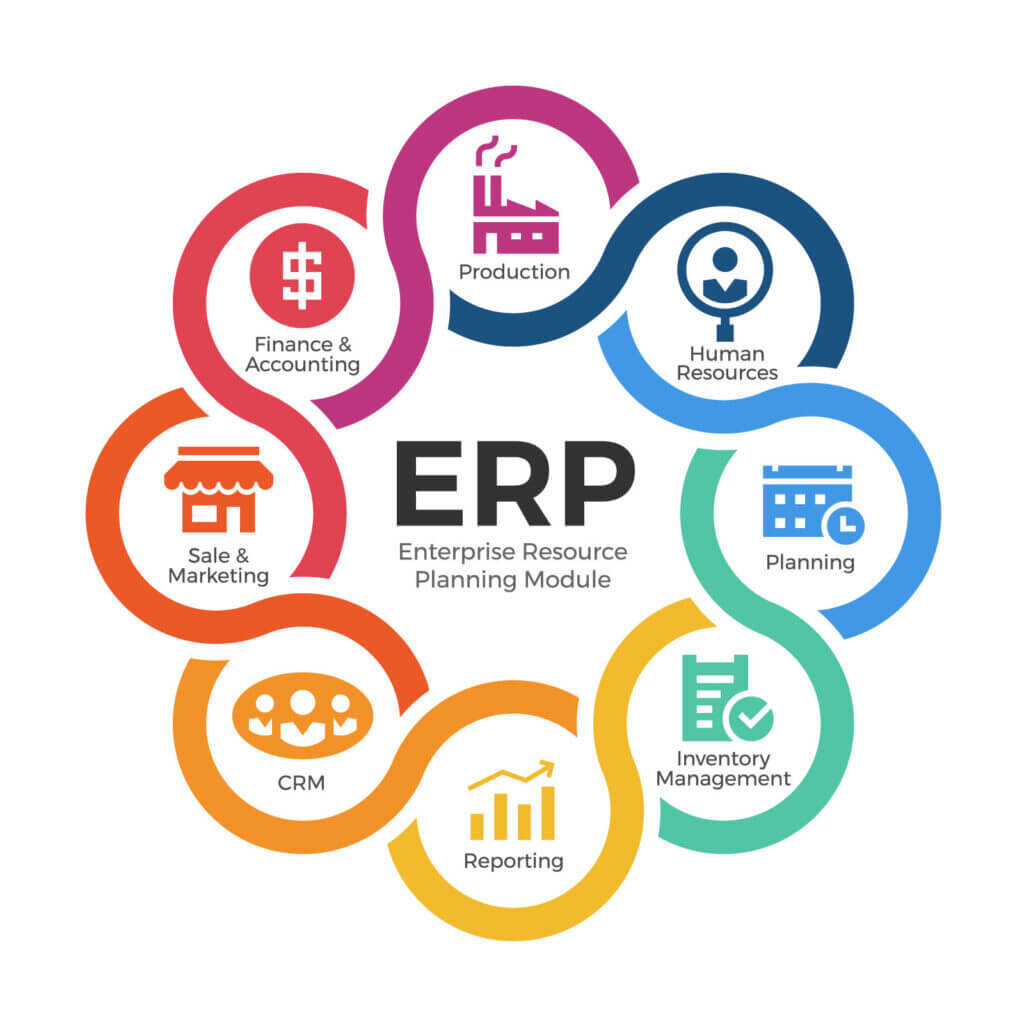
Hey there! Are you a small manufacturing business looking to streamline your operations and increase efficiency? If so, you might want to consider investing in small manufacturing ERP software. This specialized software is designed to help small manufacturers improve their production processes, reduce costs, and stay competitive in the market. By integrating all aspects of your business into one centralized system, small manufacturing ERP software can provide a range of benefits that can help your business grow and succeed.
Benefits of Small Manufacturing ERP Software
Small manufacturing ERP software offers a wide range of benefits for companies looking to improve their operations and streamline their processes. One of the key advantages of using ERP software for small manufacturing businesses is the ability to integrate all of their core business processes into a single system. This means that companies can manage everything from inventory and production to customer orders and accounting from one centralized platform.
By consolidating all of these functions into one system, small manufacturers can greatly reduce the risk of errors and inefficiencies that often occur when using multiple, disconnected systems. This not only saves time and resources but also improves overall accuracy and productivity. With real-time visibility into all aspects of their operations, companies can make more informed decisions and respond quickly to changing market conditions.
Another benefit of small manufacturing ERP software is the ability to automate routine tasks and workflows. This can help companies eliminate manual processes that are time-consuming and prone to errors, freeing up employees to focus on more strategic activities. Automation can also improve the speed and accuracy of processes, leading to faster lead times, reduced costs, and higher customer satisfaction.
Small manufacturing ERP software also offers advanced reporting and analytics capabilities, allowing companies to track key performance indicators and monitor their progress towards business goals. By analyzing data from across the organization, companies can identify trends, spot bottlenecks, and make data-driven decisions to improve efficiency and profitability. This insight can help small manufacturers stay competitive in a rapidly changing marketplace and adapt to new challenges and opportunities.
Furthermore, small manufacturing ERP software can improve collaboration and communication within the organization. By centralizing information and streamlining processes, employees can work more efficiently together and share information more easily. This can lead to better coordination between departments, increased transparency, and higher overall productivity.
In conclusion, small manufacturing ERP software offers numerous benefits for companies looking to optimize their operations and drive growth. By integrating core business functions, automating tasks, analyzing data, and improving collaboration, small manufacturers can achieve greater efficiency, productivity, and profitability. Investing in ERP software can provide a competitive advantage in a fast-paced and competitive industry, helping companies stay ahead of the curve and meet the evolving needs of customers and markets.
Key Features to Look for in Small Manufacturing ERP Software
When evaluating small manufacturing ERP software, it’s essential to consider the key features that will help streamline your operations and improve productivity. Here are some important features to look for:
1. Inventory Management: One of the most critical aspects of small manufacturing ERP software is robust inventory management functionality. Look for a system that allows you to track raw materials, work-in-progress inventory, and finished goods in real-time. This will help you optimize inventory levels, reduce stockouts, and minimize excess inventory carrying costs.
2. Production Scheduling: Another key feature to look for in small manufacturing ERP software is production scheduling tools. These tools allow you to create and manage production schedules, allocate resources efficiently, and track progress against production goals. Look for a system that offers visual scheduling capabilities, drag-and-drop functionality, and real-time updates to ensure that your production processes run smoothly.
Furthermore, production scheduling tools should also integrate seamlessly with your inventory management and procurement modules to ensure that you have the right materials and resources available when needed. This integration will help you avoid costly production delays and ensure on-time delivery to customers.
3. Quality Control: Quality control is another critical feature to consider when choosing small manufacturing ERP software. Look for a system that offers robust quality management capabilities, including inspection checklists, non-conformance tracking, and root cause analysis tools. This will help you identify and address quality issues early in the production process, ensuring that your products meet customer expectations and comply with industry standards.
4. Shop Floor Tracking: Shop floor tracking is essential for monitoring and managing production activities in real-time. Look for small manufacturing ERP software that offers shop floor tracking functionality, allowing you to capture and analyze key performance indicators (KPIs) such as machine utilization, labor efficiency, and production cycle times. This data will help you identify bottlenecks, optimize workflows, and improve overall operational efficiency.
5. Supply Chain Management: A robust supply chain management module is essential for small manufacturers looking to optimize their procurement and sourcing processes. Look for ERP software that offers supplier management tools, purchase order processing, and demand forecasting capabilities. This will help you streamline your supply chain, reduce lead times, and lower procurement costs.
By considering these key features when evaluating small manufacturing ERP software, you can find a solution that meets your unique business needs and helps drive growth and success in the competitive manufacturing industry.
Common Challenges Faced When Implementing Small Manufacturing ERP Software
Implementing small manufacturing ERP software can be a daunting task for many companies, as there are several challenges that they may face during the process. Here are some common challenges that businesses encounter when trying to implement small manufacturing ERP software:
1. Integration with existing systems: One of the most significant challenges faced by companies when implementing small manufacturing ERP software is integrating it with their existing systems. This can be particularly challenging if the company has been using manual or outdated software systems for a long time. The new ERP software needs to seamlessly integrate with these systems to ensure a smooth transition and minimize disruptions to the business operations.
2. Resistance from employees: Another common challenge is the resistance from employees towards using the new ERP software. Employees may be comfortable with the old systems and processes, and they may feel overwhelmed by the new technology. It is essential for companies to provide adequate training and support to employees to help them adapt to the new software and understand its benefits.
3. Lack of resources: Many small manufacturing companies may face challenges due to a lack of resources, such as budget constraints, IT expertise, and time. Implementing ERP software requires a significant investment of resources, including time, money, and manpower. Small businesses may struggle to allocate the necessary resources for the implementation process, which can lead to delays and inefficiencies.
Moreover, small manufacturing companies may not have access to specialized IT professionals who can properly configure and customize the ERP software according to their specific needs. As a result, companies may end up with a generic solution that does not fully meet their requirements, leading to inefficiencies and frustrations.
In conclusion, implementing small manufacturing ERP software can be a challenging process for many companies. However, by being aware of the common challenges and taking proactive steps to address them, businesses can successfully implement ERP software and reap the benefits of improved efficiency, productivity, and competitiveness in the long run.
How Small Manufacturing ERP Software Can Help Improve Efficiency and Productivity
Small manufacturing businesses often struggle with managing their operations efficiently and maximizing productivity due to limited resources and outdated processes. This is where Small Manufacturing ERP Software comes into play, offering a comprehensive solution to streamline operations and drive growth. Here are some ways in which Small Manufacturing ERP Software can help improve efficiency and productivity:
1. Streamlining Operations: Small manufacturing ERP software helps in centralizing all business processes, including inventory management, production planning, and scheduling, in one integrated platform. This allows for real-time visibility into various aspects of the business, enabling better decision-making and resource allocation. By streamlining operations, businesses can eliminate redundancies, reduce manual errors, and improve overall efficiency.
2. Automating Processes: Manual processes are not only time-consuming but also prone to errors. Small Manufacturing ERP Software automates repetitive tasks such as order processing, inventory tracking, and reporting, saving valuable time and resources. By automating processes, businesses can improve accuracy, reduce lead times, and increase productivity.
3. Enhancing Collaboration: Collaboration is key to success in manufacturing. Small Manufacturing ERP Software provides a platform for seamless communication and collaboration among different departments, suppliers, and customers. By facilitating real-time data sharing and communication, businesses can improve coordination, resolve issues faster, and deliver products on time.
4. Providing Business Intelligence: Small Manufacturing ERP Software offers advanced analytics and reporting capabilities that provide valuable insights into business performance. By analyzing data on key performance indicators (KPIs) such as production efficiency, inventory turnover, and customer satisfaction, businesses can identify trends, spot inefficiencies, and make informed decisions to improve operations. With access to real-time data and reports, managers can proactively address issues, optimize processes, and drive continuous improvement.
Overall, Small Manufacturing ERP Software plays a crucial role in helping small manufacturing businesses enhance efficiency and productivity. By streamlining operations, automating processes, enhancing collaboration, and providing business intelligence, businesses can gain a competitive edge, deliver high-quality products efficiently, and meet customer demands effectively. Investing in Small Manufacturing ERP Software is not just a cost-effective solution but a strategic decision to drive growth and success in the increasingly competitive manufacturing industry.
Considerations When Choosing the Right Small Manufacturing ERP Software for Your Business
When it comes to choosing the right small manufacturing ERP software for your business, there are several important factors to consider. Here are five key considerations to keep in mind:
1. Industry Specific Features: One of the most important things to consider when choosing small manufacturing ERP software is whether it offers industry-specific features that are tailored to your business needs. Different manufacturing industries have unique requirements and processes, so it’s essential to choose a software solution that can accommodate these specific needs.
2. Scalability: As your business grows, your ERP software needs to be able to grow with you. Make sure to choose a solution that is scalable and can adapt to the changing needs of your business. This will help you avoid the hassle of having to switch to a new system as your business expands.
3. Integration Capabilities: A good small manufacturing ERP software should be able to integrate seamlessly with other software applications that your business uses, such as accounting software or CRM systems. This will allow for a more efficient and streamlined workflow, as data can be easily shared between different systems.
4. User-Friendly Interface: The ERP software you choose should have a user-friendly interface that is easy for your employees to navigate and use. A complicated or confusing system will only lead to frustration and inefficiency, so make sure to choose a solution that is intuitive and easy to learn.
5. Customization Options: Lastly, when choosing small manufacturing ERP software, it’s essential to consider the level of customization options available. Every business is unique, and you may have specific requirements that require a tailored solution. Look for software that can be easily customized to meet your business needs, whether that means adding new features, modifying existing ones, or creating custom reports.
By considering these five key factors when choosing the right small manufacturing ERP software for your business, you can ensure that you select a solution that meets your needs and helps your business operate more efficiently and effectively.